
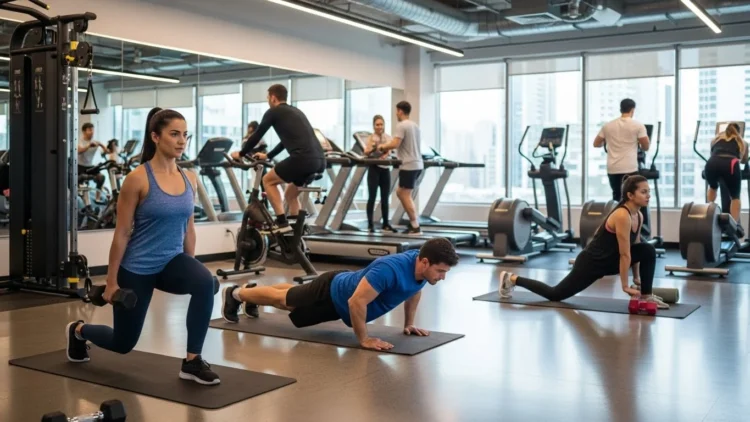
Winter changes the rhythm of everyday life. Mornings feel colder, evenings arrive sooner, and energy levels often drop without warning. Many people start the Home Workout in Winter with good intentions but slowly fall out of their exercise routines. Outdoor movement becomes uncomfortable, and gym visits feel less appealing. As a result, physical activity is often pushed aside.
Staying active indoors offers a practical solution during colder months. With the right mindset and a realistic approach, it is possible to maintain strength, mobility, and overall well being throughout winter.
Why Winter Affects Physical Activity
Cold temperatures affect the body more than most people expect. Muscles warm up slowly, joints feel stiffer, and the risk of strain increases without proper preparation. Shorter daylight hours also play a role. Less sunlight can affect mood, sleep patterns, and motivation.
These changes make it easier to postpone workouts. Over time, skipped sessions become a habit. Indoor exercise removes weather-related barriers and creates a comfortable environment where consistency becomes easier.

The Importance of Staying Active During Cold Months
Regular movement supports physical health year-round, but it becomes especially important in winter. Reduced activity can lead to stiffness, weight gain, and lower energy levels. Maintaining an exercise routine helps preserve muscle strength, flexibility, and balance.
Staying active also supports the immune system. Movement improves circulation and helps the body function efficiently during a season when illness is more common.
Mental Health Benefits of Indoor Exercise
Physical activity affects mental well-being as much as physical fitness. Exercise releases endorphins that help reduce stress and improve mood. During winter, when routines change and social interaction may decrease, movement provides structure and emotional balance.
Many people notice improved focus and reduced anxiety after regular indoor workouts. Even short sessions can create a sense of accomplishment and mental clarity.
Creating a Comfortable Space at Home
You do not need a large or specialized area to exercise indoors. A small clear space is enough. Remove obstacles, ensure good lighting, and allow proper airflow. Comfort and safety should be priorities.
Keeping workout essentials visible can help build consistency. When equipment or workout clothing is easy to access, starting feels less demanding.
Why Warm Ups Matter More in Home Workout in Winter
Cold muscles are more prone to injury. Warming up prepares the body for movement and reduces strain. A proper warm up increases blood flow and improves flexibility.
Five to ten minutes of light movement is usually enough. Gentle squats, arm swings, shoulder rolls, and marching in place help raise body temperature gradually and prepare the joints.
Effective Indoor Exercises Without Equipment
Many exercises work well indoors and require no equipment. These movements target major muscle groups and support overall fitness.
Squats strengthen the legs and improve stability.
Push-ups build upper body strength and support posture.
Lunges improve balance and coordination.
Plank holds strengthen the core and protect the lower back.
Marching or light cardio movements increase heart rate and circulation.
Performing exercises slowly and with control improves results and reduces injury risk.
Structuring a Balanced Indoor Routine
A clear routine removes uncertainty and makes workouts easier to follow. Short sessions are often more sustainable than long, demanding workouts.
A balanced routine usually includes:
- Light cardio to raise heart rate
- Strength exercises for major muscle groups
- Core-focused movements
- Stretching or mobility work
A 20 to 30-minute session can effectively support overall fitness when performed consistently.

Sample Indoor Home Workout in Winter Routine
Here is a simple routine suitable for most fitness levels:
- March in place – 1 minute
- Squats – 15 repetitions
- Push-ups – 10 repetitions
- Lunges – 10 repetitions per leg
- Plank hold – 30 seconds
Rest briefly and repeat the circuit two or three times. Adjust repetitions or duration based on comfort and ability.
Adjusting Workouts for Different Fitness Levels
Everyone begins at a different level. Beginners should focus on proper form and shorter sessions. Progress gradually to avoid fatigue and injury.
More experienced individuals can increase repetitions, add resistance, or reduce rest periods. Listening to the body remains important at all levels.
Staying Motivated When Energy Is Low
Motivation often fluctuates during winter. Accepting this makes it easier to create realistic expectations. Not every session needs to feel intense or productive.
Setting a fixed Home Workout in Winter time helps build routine. Morning workouts can boost energy for the day, while evening sessions help release tension. Music, reminders, or guided videos may also support consistency.
Clothing Choices for Indoor Workouts
Comfortable clothing improves performance. Breathable fabrics help regulate temperature, while stretchable materials allow free movement.
Light layers work best. As the body warms up, removing a layer prevents overheating and discomfort.
Hydration and Nutrition During Winter
Hydration remains important in winter, even when thirst feels reduced. Drinking water before and after workouts supports recovery and performance.
Balanced meals provide the energy needed for regular activity. Including protein, healthy fats, and complex carbohydrates supports muscle repair and sustained energy.
Recovery and Rest
Recovery plays a key role in long-term consistency. Stretching after workouts reduces stiffness and improves flexibility. Proper sleep helps regulate energy levels and supports physical recovery.
Rest days are equally important. Allowing the body time to recover prevents overuse injuries and burnout.
Common Mistakes to Avoid Home Workout in Winter
Skipping warm-ups increases injury risk. Pushing too hard too soon often leads to fatigue. Comparing progress with others can reduce motivation.
Focusing on personal goals and steady improvement leads to better long-term results.
Making Indoor Exercise a Daily Habit
Habits form through repetition. Pairing exercise with daily routines makes consistency easier. Even short sessions contribute to overall progress when performed regularly.
Over time, strength and endurance improve naturally. Small efforts add up and create lasting change.
Final Thoughts
Looking good and feeling confident go hand in hand. While staying active indoors improves your health, upgrading your wardrobe can boost your confidence too. Check out our smart casual outfits for men style guide for modern and effortless outfit inspiration.
Staying active Home Workout in Winter indoors supports both physical and mental health. Simple exercises, realistic routines, and steady habits make movement manageable throughout the colder months. You do not need perfect conditions to stay active. Regular indoor movement helps maintain strength, balance, and energy when outdoor exercise feels difficult.
Focus on consistency rather than perfection. Small steps, repeated daily, lead to meaningful results.








Leave a Reply