

Hair fall is a concern many people experience at different stages of life. While losing some hair every day is part of the natural growth cycle, excessive or prolonged shedding can be frustrating and worrying. In most cases, hair fall is not caused by a single factor but by a combination of lifestyle habits, hair care routines, and overall health. The encouraging part is how to reduce hair fall naturally that many of these causes can be managed with consistent and mindful care.
Reducing hair fall naturally is not about quick fixes or miracle products. Instead, it focuses on strengthening hair from the roots, improving scalp health, and creating daily habits that protect hair from unnecessary stress and damage.
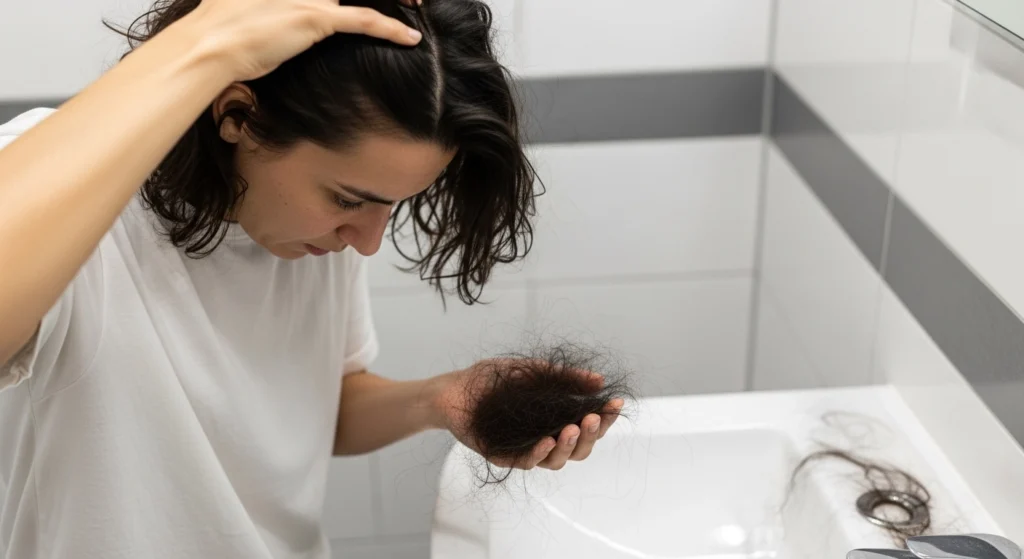
Understanding Why Hair Fall Occurs
Hair fall can happen for several reasons, and identifying the most common triggers helps in choosing the right approach. Stress, poor diet, lack of sleep, frequent heat styling, harsh products, and tight hairstyles all contribute to weakened hair strands. Environmental factors such as seasonal changes, cold weather, and dry indoor air can also affect moisture levels, making hair brittle and prone to breakage.
In many cases, hair fall is a response to imbalance. When the scalp is unhealthy or the body lacks essential nutrients, hair growth slows down and shedding increases. Addressing these underlying issues is the foundation of natural hair care.
Understanding the main causes of hair loss can help you take the right steps to reduce hair fall naturally and improve overall hair health.
Focus on a Balanced, Hair Friendly Diet
One of the most effective ways to how to reduce hair fall naturally is by improving your diet. Hair is made primarily of protein, so insufficient protein intake can weaken hair strands and slow growth. A balanced diet supports not only hair strength but also scalp health.
Including foods rich in protein, iron, zinc, and essential vitamins can make a visible difference over time. Eggs, legumes, leafy green vegetables, nuts, seeds, and oily fish are commonly associated with healthier hair. These nutrients help support hair follicles and reduce breakage caused by weakness rather than shedding from the roots.
Hydration also plays an important role. Drinking enough water helps maintain moisture balance in both the scalp and hair strands, reducing dryness and brittleness that often lead to hair breakage.
How to Reduce Hair Fall Naturally with a Gentle Hair Care Routine
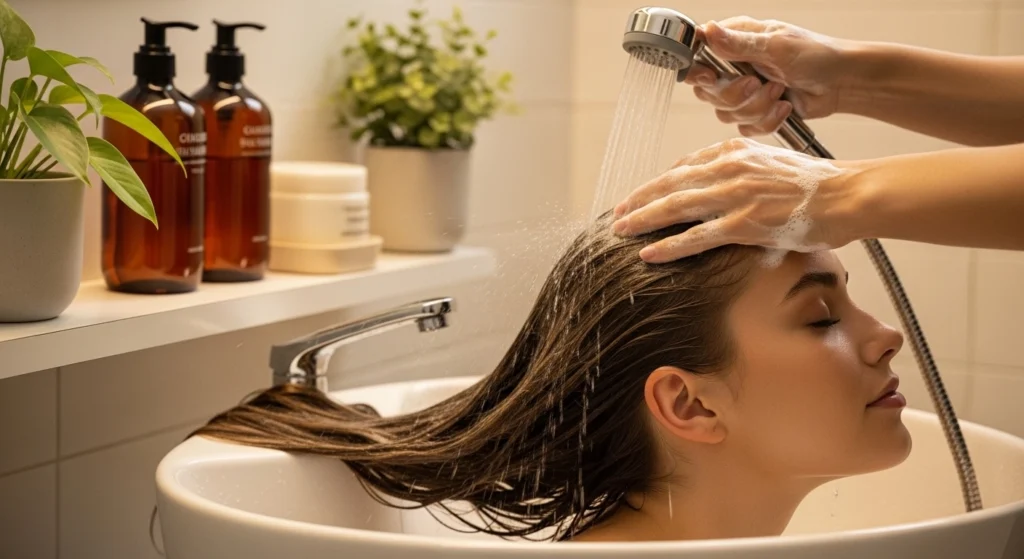
Hair washing habits are often overlooked when addressing hair fall. Washing hair too frequently can strip away natural oils that protect the scalp, while washing too rarely may cause product build-up and clogged follicles.
Choosing a mild, sulphate free shampoo helps cleanse the scalp without causing unnecessary dryness. Washing hair with lukewarm water rather than hot water protects the hair cuticle and reduces moisture loss. Conditioning the lengths of the hair after every wash is essential, as it smooths the hair surface and minimizes friction during styling.
Being gentle while washing is just as important. Rough scrubbing or piling hair on top of the head can cause tangling and breakage, especially when hair is wet and more fragile.
How to Reduce Hair Fall Naturally Strengthen Through Scalp Care
A healthy scalp creates the right environment for strong hair growth. Regular scalp massage is a simple yet effective natural practice that supports hair health. Massaging the scalp improves blood circulation, which helps deliver nutrients and oxygen to hair follicles.
Using natural oils during massage can further enhance the benefits. Oils such as coconut oil, olive oil, or castor oil help maintain scalp moisture and reduce dryness. The focus should always be on gentle movements using fingertips rather than nails, as aggressive massage can irritate the scalp and weaken roots.
Consistency matters more than frequency. Even short, regular scalp massages can support healthier hair growth over time.
Reduce Heat Styling and Mechanical Damage
Excessive heat styling is a major contributor to hair damage and breakage. Regular use of hair dryers, straighteners, and curling tools weakens the hair shaft, making it more likely to snap. While styling tools are often part of modern routines, reducing their frequency can significantly lower hair fall caused by breakage.
Allowing hair to air-dry when possible and using lower heat settings helps protect hair structure. When styling is necessary, avoiding daily heat exposure and giving hair recovery time can make a noticeable difference in strength and appearance.
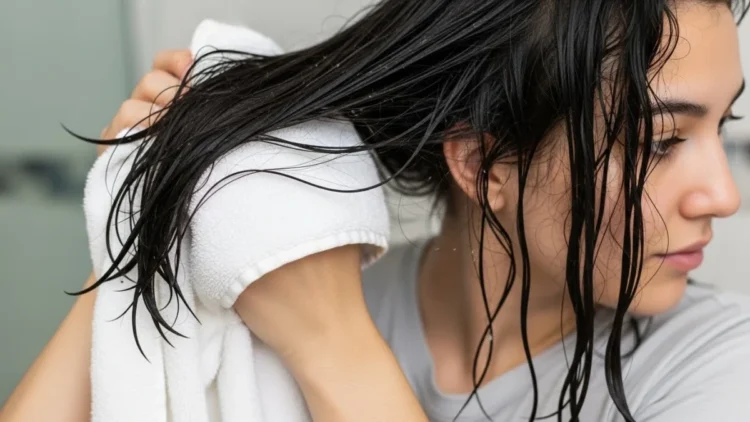
Mechanical damage from aggressive brushing, towel drying, or tight hairstyles can also increase hair fall. Using a soft towel, gently blotting excess water, and choosing wide-tooth combs reduces unnecessary stress on hair strands.
Avoid Tight Hairstyles and Constant Tension
Hairstyles that pull tightly on the scalp may look neat but can weaken hair roots over time. Constant tension from tight ponytails, buns, or braids places stress on hair follicles and increases the risk of hair fall.
Choosing looser styles and alternating hairstyles allows hair roots to recover. Soft hair ties and fabric scrunchies are gentler alternatives to tight elastics, especially for everyday use.
Letting hair rest from styling occasionally can help restore natural strength and reduce tension related hair fall.
Support Hair Health Through Stress Management
Stress is a well known factor linked to hair fall. Prolonged physical or emotional stress can disrupt the hair growth cycle, causing more hair to enter the shedding phase. While stress cannot always be eliminated, managing it effectively can protect hair health.
Simple activities such as walking, light stretching, breathing exercises, or taking short breaks during the day can help lower stress levels. These habits support overall well-being and indirectly improve hair growth conditions.
Sleep also plays a critical role. During sleep, the body repairs itself, including hair follicles. Maintaining a consistent sleep schedule and prioritizing quality rest supports natural hair regeneration.
Natural Remedies to Reduce Hair Fall Safely
Natural hair masks can provide additional nourishment when hair feels dry or damaged. Ingredients like yoghurt, aloe vera, honey, or banana help improve moisture levels and hair texture. These ingredients support softness and reduce breakage rather than directly stopping how to reduce hair fall naturally.
Applying a simple hair mask once a week is usually sufficient. Overusing treatments or mixing too many ingredients can irritate the scalp, which may worsen hair issues instead of improving them.
Keeping hair care routines simple and consistent often delivers better results than frequently changing products or treatments.

Be Patient and Consistent with Your Routine
Natural hair care is a long-term approach. Unlike quick cosmetic solutions, healthy habits take time to show results. Hair growth occurs gradually, and improvements in strength and reduced how to reduce hair fall naturally often become noticeable after several weeks of consistent care.
Tracking progress over time rather than expecting immediate changes helps maintain realistic expectations. Consistency in diet, hair care, and lifestyle habits is more effective than occasional intensive treatments.
If hair fall continues despite adopting healthy routines, professional advice may help identify underlying issues such as nutritional deficiencies or hormonal imbalances.
Final Thoughts
Learning how to reduce hair fall naturally is about creating balance rather than relying on quick fixes. Gentle hair care, proper nutrition, stress management, and scalp health all work together to strengthen hair from within. By avoiding harsh practices and supporting your hair with mindful daily habits, you can reduce excessive shedding and promote healthier, more resilient hair over time.
Small, consistent changes often lead to the most sustainable results. With patience and the right approach, natural hair care can help restore confidence and improve overall hair health.





Leave a Reply