

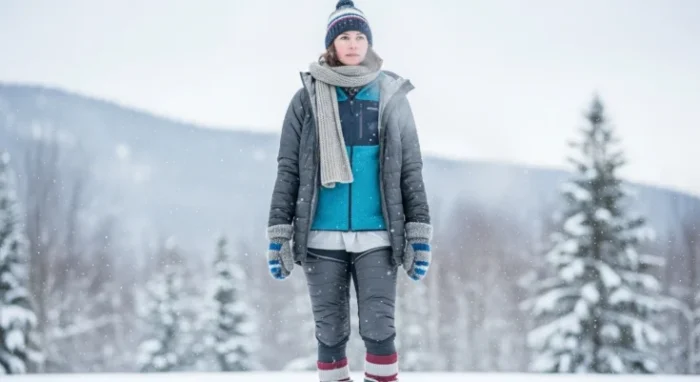
Cold weather layering is one of the most effective ways to stay warm during winter without wearing heavy, uncomfortable clothing. Instead of relying on a single thick jacket, layering allows you to trap body heat, regulate temperature, and stay comfortable in changing weather conditions. Whether you’re dealing with mild winter mornings or extreme cold climates, understanding how layering works can make a noticeable difference in how warm and mobile you feel throughout the day. This complete Cold Weather Layering Guide will help you understand how to dress properly for winter without feeling bulky or restricted.
Layering is not just about fashion; it is a practical approach used by outdoor professionals, travelers, and people living in cold regions worldwide. When done correctly, cold weather layering guide keeps you warm, dry, and protected from harsh winds without restricting movement.
What Is Cold Weather Layering Guide?
Cold weather layering is a clothing system that uses multiple layers, each with a specific purpose. Instead of one bulky garment, layers work together to manage body heat, moisture, and protection from external elements. This system allows flexibility you can add or remove layers depending on temperature, activity level, and weather conditions.
The main goal of layering is to maintain a stable body temperature while preventing sweat buildup, which can make you feel cold later. By understanding how each layer functions, you can dress smarter and avoid common winter discomforts. The concept of layered clothing helps you stay warm by combining different layers that trap heat and protect your body from cold weather.

Why Cold Weather Layering Guide Works Better Than Heavy Clothing
Wearing one thick coat might seem like the easiest solution, but it often leads to overheating indoors and freezing outdoors. Heavy clothing can feel restrictive and uncomfortable, especially when transitioning between indoor heating and outdoor cold air.
Layering creates small pockets of warm air between garments, which helps retain heat naturally. These air pockets act as insulation. Instead of relying on one thick barrier, your body benefits from multiple lightweight layers working together.
Another advantage of layering is moisture control. When your body generates heat through movement, sweat can accumulate. If moisture stays trapped, it can cool down quickly and make you feel colder. Layering systems are designed to move moisture away from the skin, keeping you dry and comfortable.
The Three Essential Layers in Cold Weather Layering
In this Cold Weather Layering Guide, we break down the three essential layers that keep you warm and comfortable.
Base Layer: The Foundation of Warmth
The base layer sits directly against your skin and plays a critical role in moisture management. Its job is to wick sweat away from your body so that your skin stays dry. Dry skin retains warmth far better than damp skin.
Materials such as merino wool and high-quality synthetic fabrics are ideal for base layers because they dry quickly and regulate temperature effectively. Cotton, on the other hand, should be avoided in cold weather. It absorbs moisture and holds it against your skin, increasing the risk of feeling chilled.
A proper base layer should fit snugly but not restrict movement. It should feel comfortable enough to wear for extended periods without irritation.
Mid Layer: Insulation and Heat Retention
The mid layer is responsible for insulation. This is where most of the warmth comes from. Its purpose is to trap the heat generated by your body and prevent it from escaping.
Common mid-layer options include fleece jackets, wool sweaters, and lightweight insulated jackets. The thickness of this layer depends on how cold it is and how active you will be. For moderate cold, a single fleece may be sufficient. In extremely low temperatures, you can combine two mid layers for additional warmth.
The mid layer should provide warmth without adding unnecessary bulk. Lightweight insulation is often more effective and comfortable than heavy materials.
Outer Layer: Protection From the Elements
The outer layer acts as a shield against wind, rain, and snow. While inner layers focus on warmth and moisture control, the outer layer protects against external weather conditions.
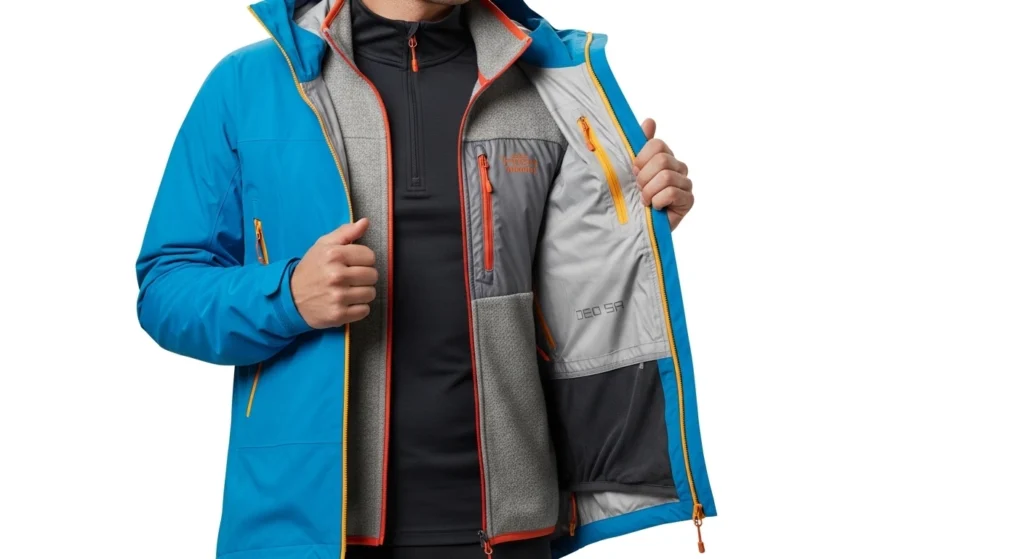
A good outer layer should be windproof and either water resistant or waterproof. Breathability is also essential, especially if you are walking, commuting, or participating in outdoor activities. Without breathability, moisture from inside can build up and cause discomfort.
An effective outer layer completes the cold weather layering guide system by sealing in warmth while blocking harsh environmental elements.
How to Layer Clothes Properly in Cold Weather
Layering correctly depends on your environment and daily activities. For everyday city wear, a simple system works well, a moisture wicking base layer, a warm sweater or fleece, and an insulated or weather-resistant jacket.
For extremely cold climates, you may need additional insulation. This could mean wearing a thermal base layer, a fleece mid layer, an insulated jacket, and a protective shell.
The key is balance. Avoid wearing too many layers that restrict movement. Clothes should fit comfortably, allowing air to circulate between layers. Proper layering should feel light yet warm, not heavy and suffocating.
Layering can also elevate your everyday winter looks explore our smart casual outfit ideas for men for practical styling inspiration.
Cold Weather Layering Guide for Different Lifestyles
Cold weather layering guide can be adjusted to fit different routines and environments.
For office settings, lightweight layers that are easy to remove are ideal. Buildings are often heated, so flexibility is important. A thermal base layer paired with a sweater and a structured coat works well for commuting and indoor comfort.
For travel, versatile pieces are essential. Neutral colored layers can be mixed and matched easily. Pack lightweight items that can adapt to changing climates without taking up too much luggage space.
Outdoor activities such as hiking or skiing require technical layering systems. Moisture wicking fabrics and breathable outer shells are crucial for maintaining warmth during physical exertion.
Choosing the Right Fabrics
A proper Cold Weather Layering Guide also focuses on choosing the right fabrics for maximum insulation and breathability.
Fabric selection significantly affects how well your layering system performs.
Wool is highly effective at retaining warmth and regulating temperature. It also resists odor, making it ideal for extended wear. Synthetic fabrics are lightweight and dry quickly, making them practical for active individuals.
Down insulation offers excellent warmth but performs best in dry conditions. Synthetic insulation alternatives work better in wet climates because they maintain warmth even when damp.
Selecting the right materials ensures durability, comfort, and long-lasting performance.
The Importance of Accessories in Cold Weather Layering guide
Layering does not stop with jackets and sweaters. Accessories play a crucial role in staying warm.
A significant amount of body heat escapes through the head and extremities. Wearing thermal socks, insulated gloves, scarves, and beanies can dramatically improve overall warmth. These smaller additions often make a noticeable difference without adding bulk.
Layering accessories strategically allows you to adjust warmth quickly and efficiently.
Avoiding Overheating and Sweating
One common mistake in winter dressing is overdressing before engaging in activity. If you start sweating, moisture can cool down rapidly and leave you feeling colder.
To prevent this, dress slightly lighter before physical activity and add layers as needed. Choose breathable fabrics that allow ventilation. Jackets with zippers or adjustable vents make temperature regulation easier.
Cold weather layering guide works best when you actively manage your comfort rather than relying on static clothing choices.
Common Cold Weather Layering Mistakes
Several mistakes can reduce the effectiveness of your cold weather layering guide system.
Wearing cotton as a base layer traps moisture. Choosing an outer layer that blocks airflow completely can cause overheating. Wearing clothes that are too tight eliminates insulating air pockets.
Ignoring accessories or failing to adjust layers throughout the day can also reduce comfort. Successful layering requires awareness and small adjustments as conditions change.
Building a Simple Winter Layering Wardrobe
You do not need an excessive number of winter garments to stay warm. A well planned layering wardrobe can include:
- Two moisture wicking base layers
- Two insulating mid layers
- One insulated jacket
- One weatherproof outer shell
- Essential winter accessories
With these pieces, you can create multiple combinations suitable for various temperatures and activities.
A strong winter wardrobe begins with the right foundation pieces see our basic wardrobe essentials for women guide for timeless basics.
Final Thoughts
Cold weather layering is a smart and flexible way to stay warm throughout winter. By understanding how base layers, mid layers, and outer layers work together, you can dress efficiently without feeling bulky or restricted.
Instead of relying on one heavy coat, layering allows you to adapt to changing conditions while maintaining comfort and mobility. With the right fabrics, proper fit, and thoughtful adjustments, winter dressing becomes simple and effective.
By following this Cold Weather Layering Guide, you can confidently handle winter temperatures without sacrificing comfort or mobility.





Leave a Reply