

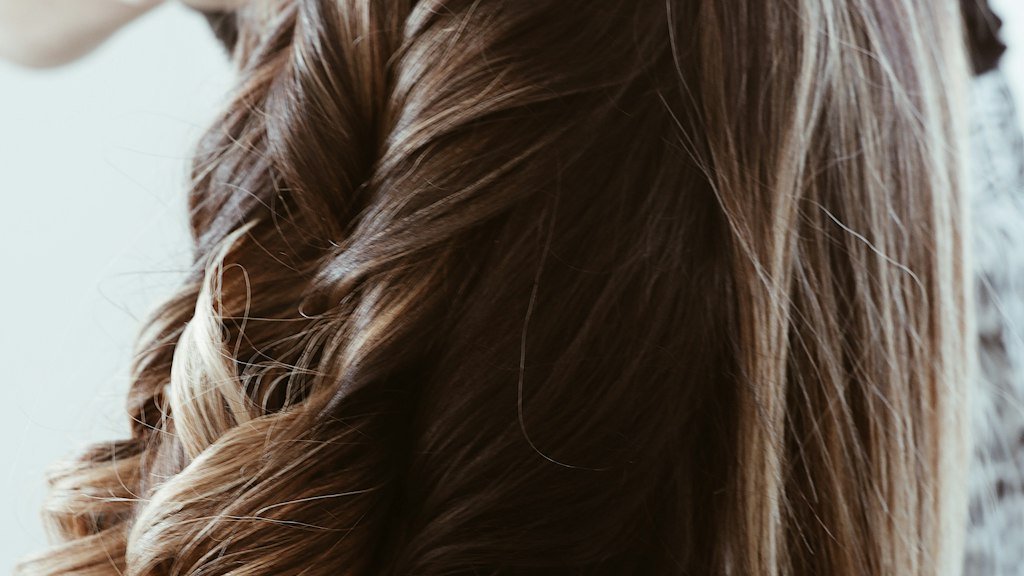
Heatless curls are waves or curls set by wrapping slightly damp hair around a soft object, such as a robe belt, sock or roller, and leaving it to dry while you sleep. There is no curling iron involved, so you skip the heat damage, and with the right method you can wake up to soft, bouncy hair that lasts all day. This guide covers five easy methods, how to prep your hair, and how to make the result last.
Why Choose Heatless Curls?
Regular curling irons and straighteners remove moisture from the hair shaft, and repeated use leaves ends dry, rough and prone to breakage. Heatless curls give you a similar shape without that stress, which makes them a good fit for dry, coloured or fine hair that struggles with heat. They also cost almost nothing, since most methods use things you already own. If your hair already feels dry straight after washing, our guide to dry hair after wash explains why cutting back on heat is worth it, and our easy hairstyles for daily routine has quick low-heat options for busier mornings.
How to Prep Your Hair for Heatless Curls
Preparation matters as much as the method you choose. Most heatless curls need a few basic steps before you start wrapping:
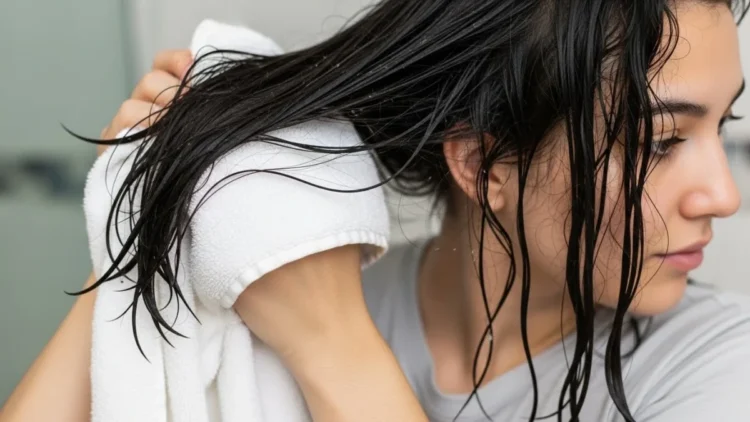
- Start with slightly damp hair. Soaking wet hair can stay wet all night and won’t hold a shape, while fully dry hair doesn’t bend easily. Towel-dry until it feels damp but not dripping.
- Detangle first. Comb through gently so each section wraps smoothly without knots.
- Add a light product. A small amount of mousse or curl cream helps the shape set. Fine hair needs less, thick hair can take a little more.
- Divide into sections. Two to four sections suits most hair, with more sections giving tighter curls.
5 Easy Heatless Curls Methods
1. Robe Belt or Scarf Wrap
Place the middle of a long robe belt or soft scarf on top of your head like a headband, so both ends hang down evenly. Take small sections of damp hair and wrap them around the belt from front to back, then tie the ends together behind your head. This method gives loose, glossy waves and works best on medium to long hair.
2. Sock Curls
Roll a clean sock into a tube, wrap a section of damp hair around it from the ends up to the roots, then tie the sock into a knot against your head. Repeat on several sections. Sock curls are very beginner friendly and give rounder, bouncier curls than braids.
3. Braids for Waves
Braid damp hair loosely in two to six plaits and secure the ends with soft ties. Braids are the lowest effort option and produce crimped, beachy waves rather than defined curls. More braids mean tighter waves, and one large braid gives a gentler bend.
4. Foam or Satin Rollers
Wrap sections of damp hair around soft foam or satin covered rollers and secure them in place. Medium rollers create waves and bounce, smaller ones give tighter curls. Rollers give the most uniform pattern, and the soft versions are comfortable enough to sleep in.
5. Pin Curls for Short Hair
Twist a small section of damp hair around your finger into a flat coil, then pin it against your head with a clip. Pin curls suit short and fine hair, where wraps and belts are too long to work, and they add lift without much weight.
Which Method Suits Your Hair?
| Method | Result | Best for |
|---|---|---|
| Robe belt or scarf wrap | Loose, glossy waves | Medium to long hair |
| Sock curls | Rounder, bouncy curls | Beginners, medium to long hair |
| Braids | Crimped, beachy waves | Lowest effort, any length |
| Foam or satin rollers | Uniform curls or volume | Thick hair, longer-lasting hold |
| Pin curls | Soft lift and curl | Short or fine hair |
A Simple Night-Before Routine
Wash your hair in the early evening so it has time to dry partially while you relax. Towel dry gently, then leave it for around half an hour until it feels damp rather than wet. Apply a small amount of mousse or curl cream, comb through, and wrap using your chosen method. Tie a satin scarf over the top and avoid going to bed with soaking wet hair, since it may not dry by morning. In the morning, check that everything is completely dry before unwrapping, then shake the curls out with your fingers. Starting an hour or two before bed gives the best balance between hair that is damp enough to set and dry enough to hold.
Protect Your Hair and Scalp Overnight
Wrap your hair in a satin scarf or sleep on a satin pillowcase, since the smooth surface reduces friction and keeps the curls from frizzing as you move around. Keep the tension gentle, too. The British Association of Dermatologists notes that tight hairstyles are the commonest cause of traction alopecia, a type of hair loss caused by repeated pulling. Heatless curls shouldn’t be anywhere near that tight, so if your scalp feels sore or tender after wrapping, loosen the style straight away. Alternating methods rather than using the same tight wrap every night is a sensible habit.
How to Make Heatless Curls Last
- Let hair dry completely. Taking curls out while hair is still damp is the most common reason they drop within an hour.
- Don’t brush them out. Separate the curls with your fingers instead, since a brush turns defined curls into frizz.
- Use a light finishing product. A little flexible hold spray or a drop of hair oil on the ends adds hold and shine without weighing curls down.
- Keep hands off. Constantly touching your hair breaks the curl pattern and adds frizz.
Troubleshooting Common Heatless Curls Problems
- Curls fall flat. Hair was probably too wet or too dry when wrapped, or the sections were too large. Try slightly damp hair and smaller sections.
- Too much frizz. This usually means too much product, rough handling when unwrapping, or no satin protection overnight.
- Kinks instead of waves. Wrapping too tightly or in uneven sections can leave bends. Loosen the wrap and use consistent section sizes.
- Curls won’t hold in damp weather. Humidity relaxes curl patterns, so a light-hold spray at the end makes a noticeable difference.
Heatless Curls for Different Hair Types
Fine hair holds shape best with pin curls or a single large braid, plus a very light product so curls don’t go limp. Thick or coarse hair usually needs smaller sections, rollers and a stronger setting product to keep the shape. Naturally wavy hair responds quickly, often needing just a few braids or a loose wrap. Very straight hair can be stubborn, so give it the full night to set and use a setting lotion. If your hair is already breaking more than usual, our guide to reducing hair fall naturally is worth reading before you add any new styling routine.
Frequently Asked Questions
Do heatless curls work on straight hair?
Yes, though straight hair holds a shape less easily. Use a setting product, wrap into smaller sections, and leave the curls in until your hair is completely dry.
Should hair be wet or dry for heatless curls?
Slightly damp works best. Soaking wet hair won’t dry in time, and fully dry hair doesn’t set a lasting shape.
How long do heatless curls last?
Most last a day, and with a satin scarf at night they can last into a second day. Humidity and how fully the hair dried both affect how long they hold.
Can heatless curls damage hair?
They are far gentler than hot tools, but very tight wraps can strain the hair and scalp. Keep the tension loose and stop if anything feels sore.
Can I do heatless curls on short hair?
Yes. Pin curls and small foam rollers work well on short hair, while belt and sock methods need more length to wrap cleanly.
Related Reading
- Easy Hairstyles for Daily Routine
- Dry Hair After Wash? Here’s What’s Stripping Your Hair’s Moisture
- How to Reduce Hair Fall Naturally
- Hard Water Hair: 6 Signs and Proven Fixes for UK Homes
If your curls fall flat or feel coated rather than soft, hard water could be the culprit. See the signs of hard water hair and proven fixes for UK homes.





Leave a Reply