

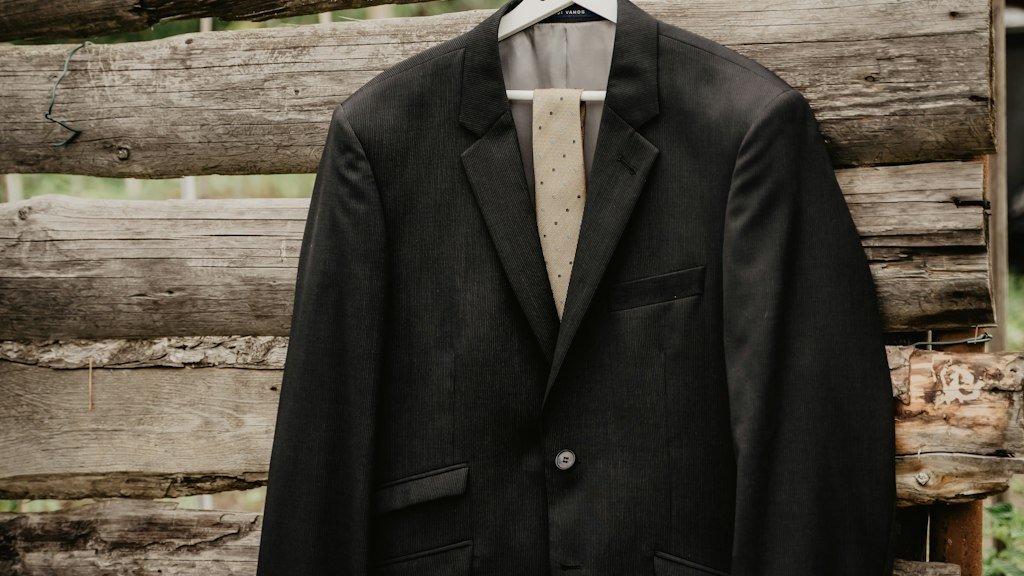
Men’s Office Wear today usually means either business casual or smart casual, and the right choice depends on your industry, company culture and how client facing your role is, not a single fixed dress code. Reading a workplace correctly matters more than following a generic rulebook, and that is the core idea behind good men’s office wear.
How to Read Your Workplace Dress Code
Company handbooks rarely capture what people actually wear day to day. The most reliable approach is to observe colleagues in similar roles for the first week, then dress slightly more formally than the average until the pattern is clear. Traditional corporate environments, finance, law, client facing consulting, tend toward stricter business casual. Creative and tech workplaces more often default to smart casual, sometimes even on client facing days. For the full difference between the two codes, see our business casual vs smart casual guide.
Core Men’s Office Wear Pieces
- Two to three pairs of trousers. Navy, charcoal and grey cover most shirt and blazer combinations.
- Four to five shirts. A mix of solid colours and subtle patterns in business casual settings; knits and open collar shirts if smart casual is the norm.
- One structured blazer. Navy works with the widest range of trouser and shirt colours.
- One pair of leather shoes. Oxfords or brogues for business casual offices; loafers or refined trainers if the culture is more relaxed.
- A weatherproof outer layer. A mac or wool coat that still reads professional over an office outfit.
Men’s Office Wear by Dress Code
| Setting | Typical office wear |
|---|---|
| Traditional corporate (finance, law) | Business casual: shirt, tailored trousers, blazer, leather shoes |
| Modern corporate | Business casual, more relaxed: shirt or knit, chinos, loafers, blazer optional |
| Creative / tech | Smart casual: knit or open collar shirt, chinos, refined trainers |
| Client facing days | Business casual regardless of usual office norm, err formal |
Building a Working Rotation
A full working week doesn’t require a different outfit for every day. Two pairs of trousers, four shirts, and one blazer, mixed and rotated, cover five days without obvious repetition once colours are coordinated. This is the same principle behind a capsule wardrobe, fewer pieces chosen for versatility rather than a packed closet used at random. For a dedicated breakdown of what to actually buy, see our business casual for men guide.
Adjusting Men’s Office Wear for the Seasons
Lightweight cotton and linen blend shirts work through spring and summer, while wool blends and a heavier blazer take over for autumn and winter. UK temperature swings tend to be sharpest during exactly these shoulder seasons, according to Met Office data, which is why a single well chosen coat, long enough to cover a blazer, is worth the investment to bridge the coldest months without disrupting the rest of the office wardrobe.
Common Men’s Office Wear Mistakes
- Overdressing on day one, then never adjusting. It’s fine to start formal, but persistently overdressing relative to the team can read as trying too hard.
- Wearing the same two outfits on rotation. A slightly wider rotation, even just a few extra shirts, avoids obvious repetition.
- Ignoring shoe maintenance. Scuffed or unpolished shoes undercut an otherwise correct office outfit faster than almost anything else.
- Copying a dress code from a different industry. What reads as business casual in tech may read as underdressed in finance, and vice versa.
Men’s Office Wear on a Budget
Good men’s office wear doesn’t require a big spend. Start with the pieces worn most often, shoes, trousers and one blazer, and buy the best quality you can reasonably afford, since these carry the whole wardrobe. Shirts and knits can cost less, because they are easier to replace and less visible. Sales at the end of each season are a good time to pick up wool blend trousers and coats at lower prices, and charity shops often stock well made blazers that only need a quick press.
Check fit before price. A modest piece that fits properly looks more expensive than a premium piece that doesn’t, and a local tailor can adjust hems and sleeves for far less than replacing the garment. Buying fewer, better pieces also means less to wash, press and store, which makes the weekly routine easier.
Accessories and Grooming That Finish Men’s Office Wear
Small details finish men’s office wear more than most people expect. A leather belt that matches your shoes, a simple watch and a plain, structured bag all signal care without drawing attention. Keep socks plain and long enough to cover the shin when you sit down, and avoid loud novelty patterns unless your workplace clearly encourages them.
Grooming matters too. A tidy haircut, trimmed facial hair and clean nails complete the look, and a quick lint roller pass over a navy blazer takes seconds. None of this needs to be expensive, but each detail either supports or undercuts the clothes underneath.
What to Do in Your First Week at a New Office
Starting a new role is the moment most men get office wear wrong, either overdressing so much it feels alienating, or underdressing before they understand the culture. The safer approach is to dress one notch more formal than you expect for the first week, a blazer you can remove, a shirt rather than a knit, then adjust down once the actual pattern becomes clear. Pay attention not just to what people wear day to day, but what changes on client facing days, team socials or presentation days, since those shifts tell you where the real boundaries sit.
It’s also worth asking directly if the dress code genuinely isn’t clear from observation. Most managers would rather answer a quick question in week one than watch someone misjudge it repeatedly. A short, direct question, “is it generally business casual here, or more relaxed,” rarely reads as awkward and saves weeks of guessing.
Men’s Office Wear for Hybrid and Remote Days
Hybrid schedules have changed how many offices approach dress codes, with some workplaces relaxing standards significantly on remote days and tightening them again for in office time. A practical approach is to keep video call appropriate pieces, a good knit or collared shirt, within easy reach even on remote days, since unexpected calls are common, while reserving the fuller office wear rotation, trousers, blazer, leather shoes, for days spent physically in the office.
Should men’s office wear be more formal for video calls than for the rest of a remote work day?
Generally yes, at least from the waist up. A collared shirt or smart knit reads professionally on camera even when paired with more relaxed trousers, which is a common and largely unnoticed compromise on remote working days.
How do I know if I’m overdressed for my office?
If colleagues in similar roles consistently wear a more relaxed version of what you’re wearing, and no client facing or presentation context explains the difference, it’s usually safe to dress down slightly to match the norm.
Frequently Asked Questions
What should men wear to the office if unsure of the dress code?
Err on the side of business casual, a collared shirt, tailored trousers and leather shoes, until you’ve observed what colleagues in similar roles actually wear.
Is smart casual acceptable for most offices now?
It’s increasingly common, particularly in creative and tech workplaces, though traditional corporate sectors like finance and law still tend to expect business casual as standard.
How many outfits do I need for a working week?
A rotation of around 10 to 15 pieces, trousers, shirts, a blazer and shoes, is usually enough to cover five days without obvious repetition once mixed and coordinated.
Related Reading
- Business Casual vs Smart Casual
- Business Casual for Men: The Complete UK Guide
- What Is Smart Casual? Men’s Dress Code Explained
- Capsule Wardrobe: The Complete UK Guide
If you are unsure what the smart casual side of office wear entails, see our guide to what smart casual means.








Leave a Reply