

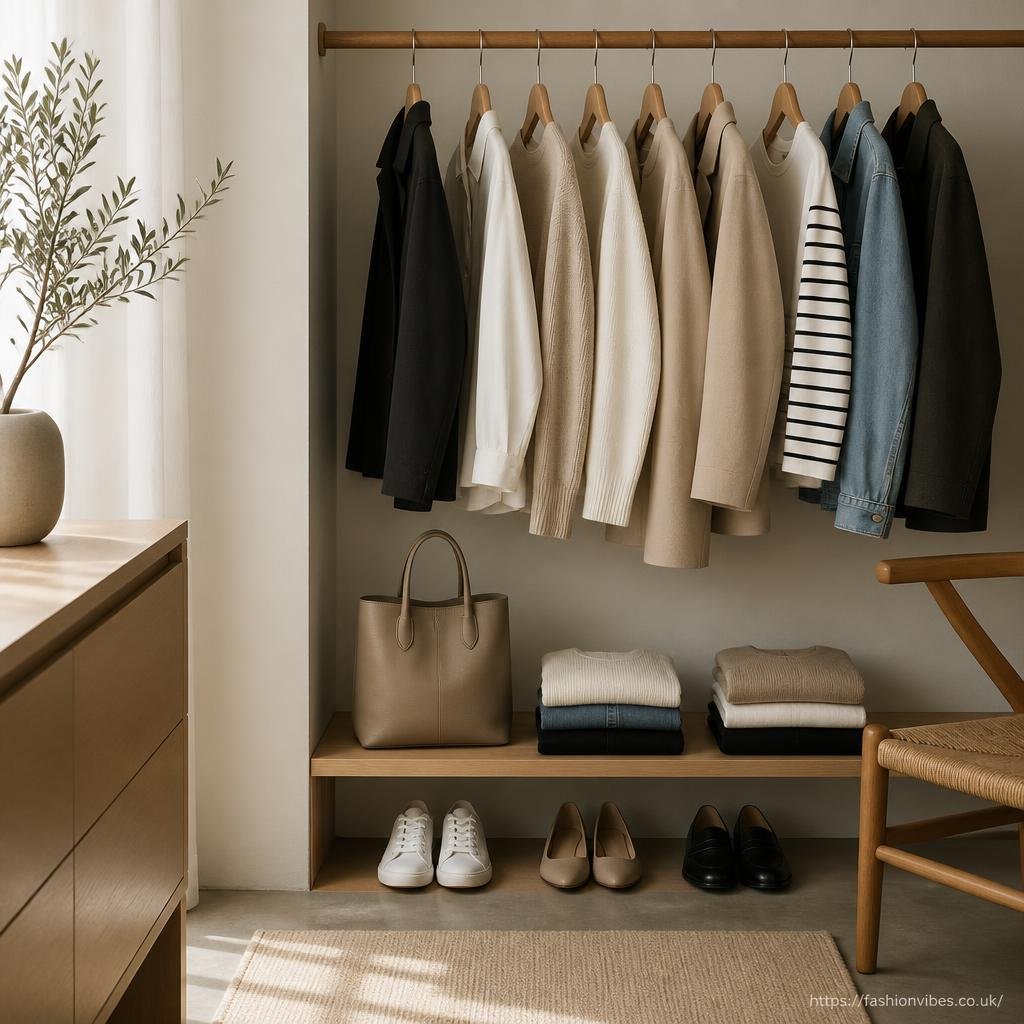
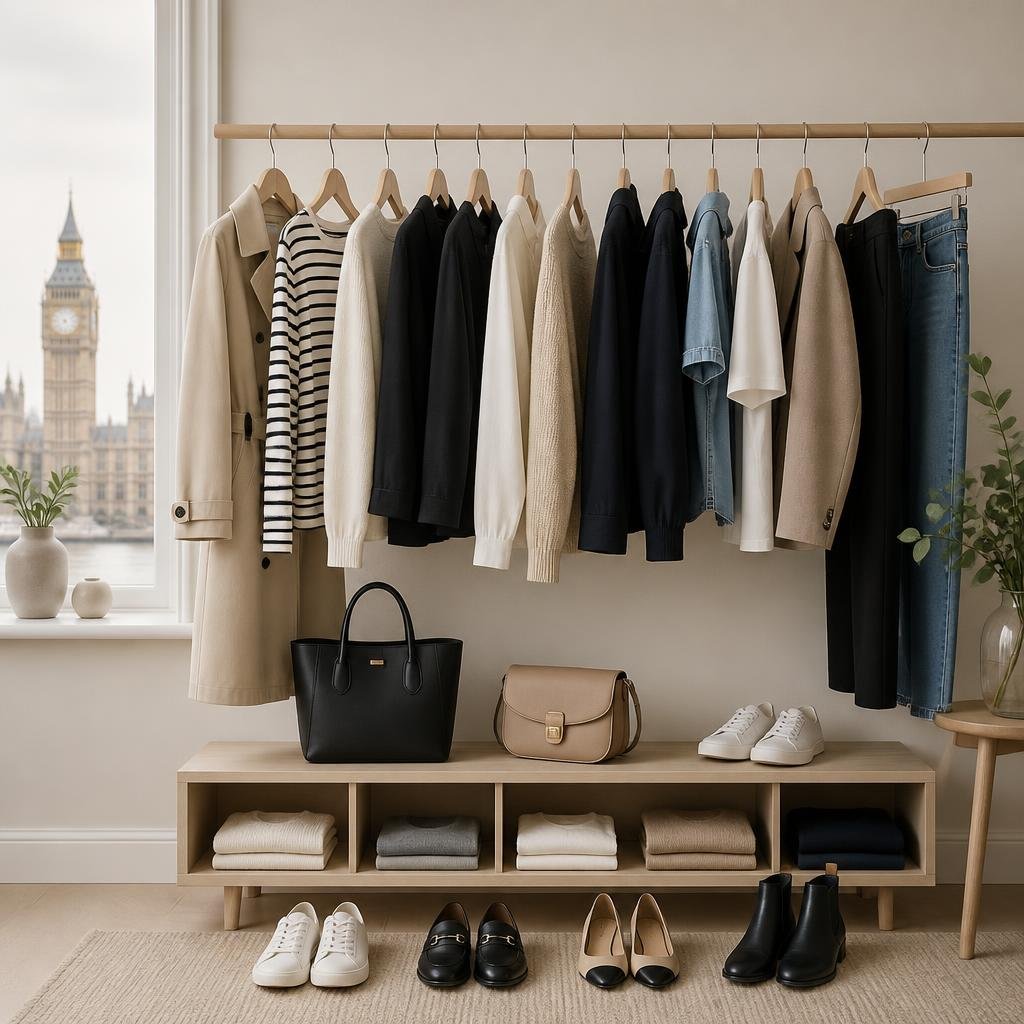
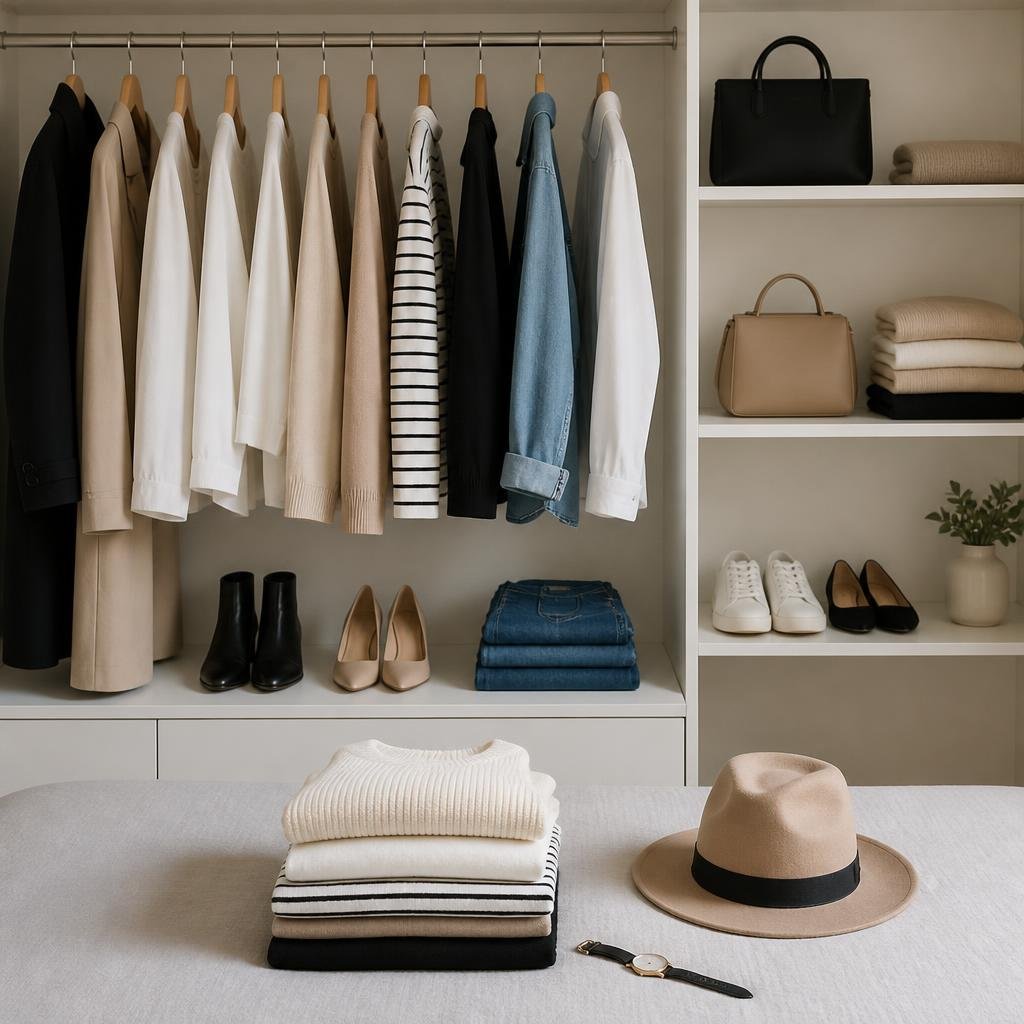
Micro wardrobe is an even more tightly edited version of a capsule wardrobe, typically 10 to 15 pieces, built around investment staples that all coordinate with one another. Where a standard capsule wardrobe might run to 30–40 items, a wardrobe strips that down further, favouring fewer, higher-quality pieces over a wider selection.
What Is a Micro Wardrobe?
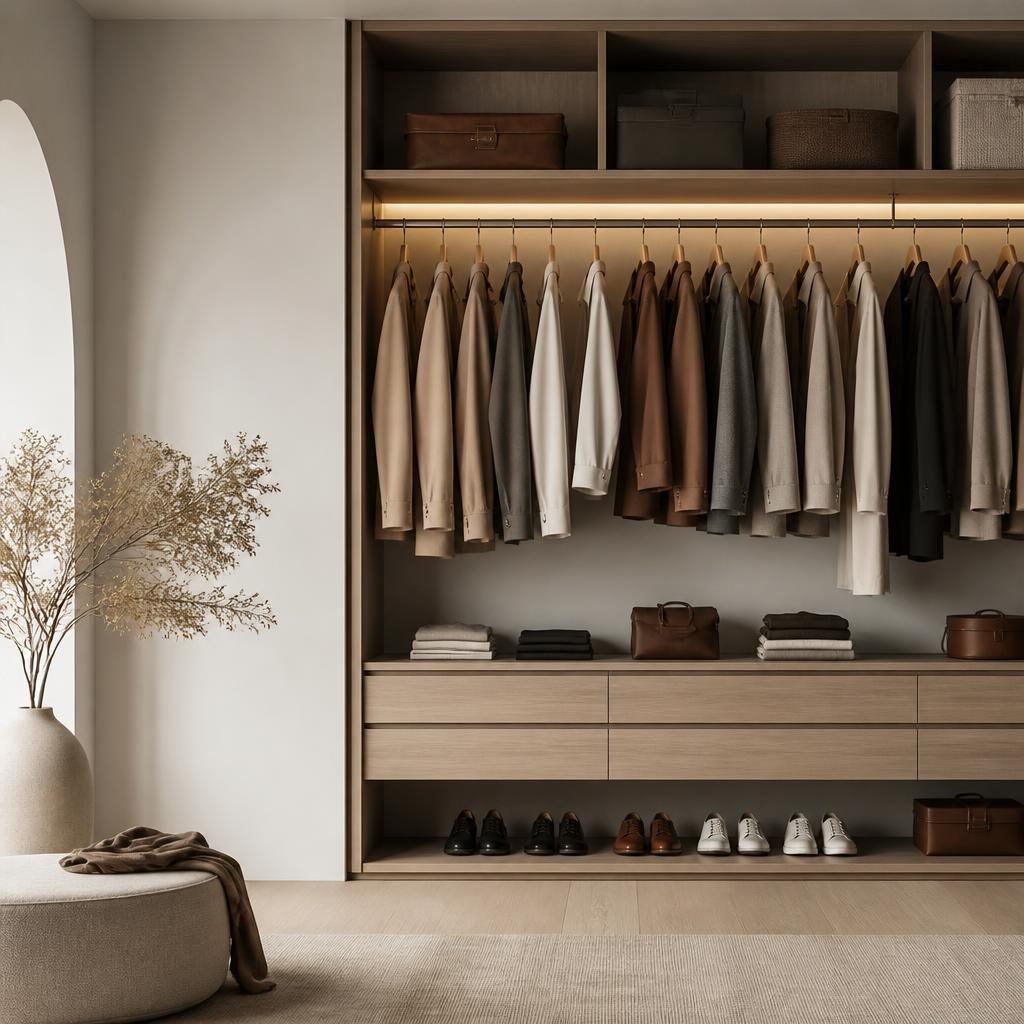
A micro wardrobe takes the logic of a capsule wardrobe and pushes it further. Instead of aiming for 30 or more pieces, the goal is closer to 10–15, sometimes fewer for a travel-only version. Every item has to earn a place through sheer versatility, since there’s no room for a piece that only works with one other thing. It’s become closely associated with the “quiet luxury” approach to dressing: fewer, better pieces, structured layers, and a wardrobe that feels complete rather than overstuffed.
Micro Wardrobe vs Capsule Wardrobe
| Capsule wardrobe | Micro wardrobe | |
|---|---|---|
| Typical size | 15–40 pieces | 10–15 pieces |
| Focus | Coordinated variety | Maximum versatility per piece |
| Best for | Everyday, seasonal wardrobes | Minimalists, travel, quiet luxury dressing |
| Shopping approach | Gradual, fill gaps over time | Highly selective, investment-led |
How Many Pieces Should a Micro Wardrobe Have?
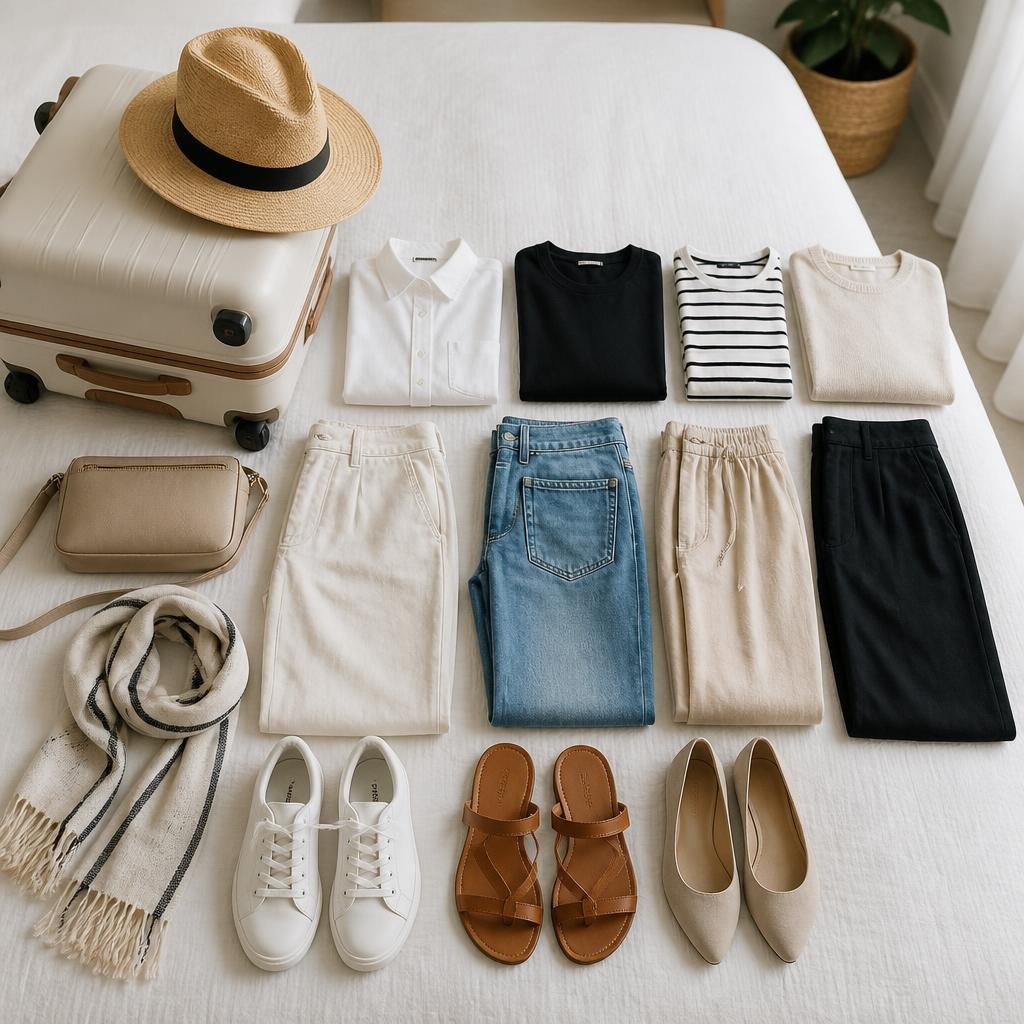
Most guidance settles on 10 to 15 pieces, excluding accessories and sleepwear. Below 10, flexibility tends to suffer, there aren’t enough combinations to avoid repetition. Above 15, it starts to blur back into a standard capsule wardrobe. A travel focused wardrobe often goes even smaller, around 8 pieces of clothing plus 2 pairs of shoes, sometimes called the 3-3-3 method (3 tops, 3 bottoms, 3 shoes).
What Goes Into a Micro Wardrobe
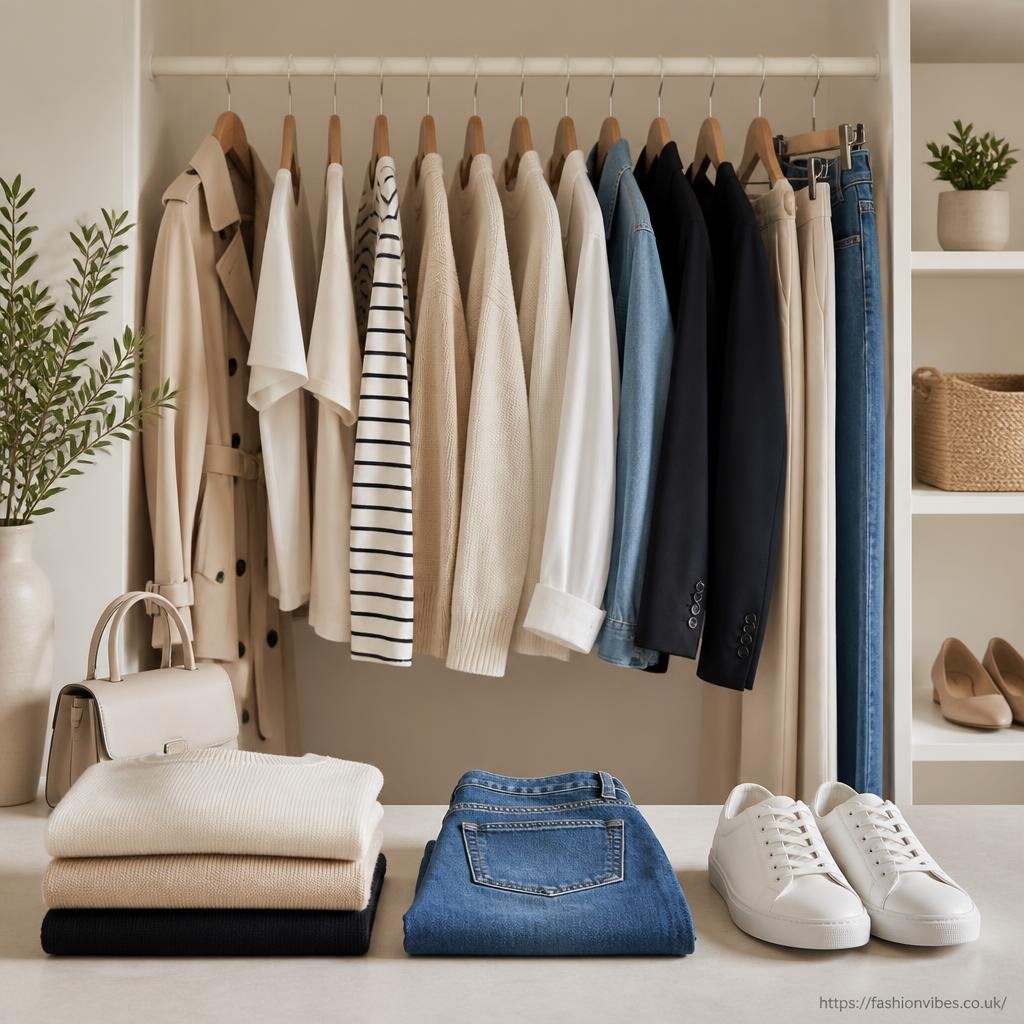
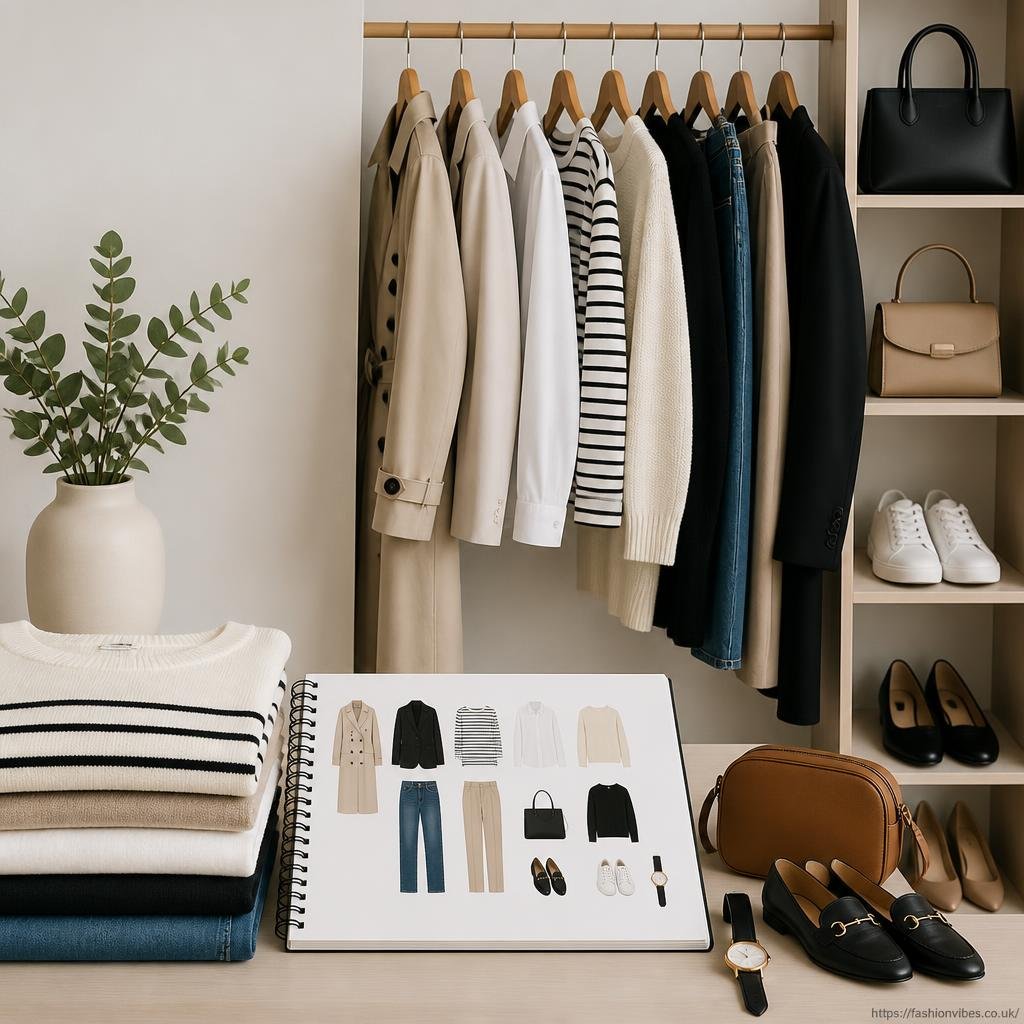
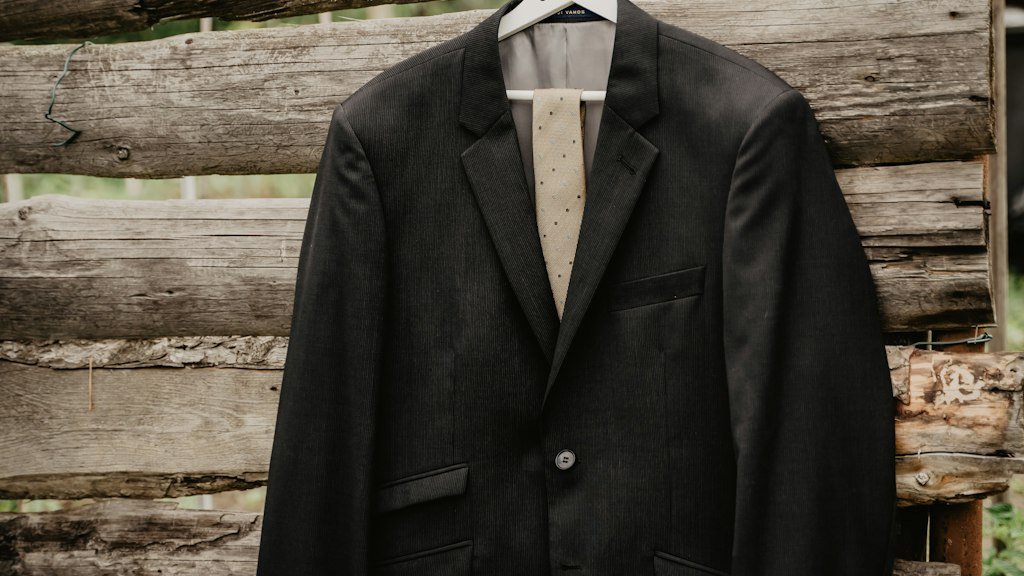
- Structured layers – a blazer or tailored jacket that instantly elevates simpler pieces.
- Neutral tops – three to four versatile pieces in your base palette.
- One or two bottoms – tailored trousers and a well-fitting pair of jeans cover most situations.
- A versatile dress – one piece that works for both daytime and evening with a change of shoes.
- Two to three pairs of shoes – typically a flat, a heel or boot, and a trainer.
- One outer layer – a coat or jacket that pairs with everything else in the rotation.
How to Build a Micro Wardrobe
Start the same way you would for any capsule: audit what you already own and identify the pieces you reach for most often. Because the count is so small, be stricter than usual, every item should realistically pair with most of the others. For the full audit-and-build process, our step-by-step capsule wardrobe guide applies directly, just aim for a tighter final number. Prioritise investment pieces over trend-led buys, since each item is doing more work in a micro wardrobe than it would in a larger one.
Who a Micro Wardrobe Suits Best
Wardrobe works particularly well for frequent traveler, people who wear a uniform-style outfit most days, and anyone drawn to a quiet, understated aesthetic over frequent variety. It’s a harder fit for roles that require a wide range of formal or occasion specific outfits, in that case, a slightly larger capsule wardrobe for women with a dedicated occasion wear section tends to work better.
Investing Properly for a Micro Wardrobe
Because a micro wardrobe leans on so few pieces, each one carries more weight than it would in a larger rotation, which changes the maths on what’s worth spending more on. A blazer worn three or four times a week for several years justifies a higher price tag than the same blazer would in a 40-piece wardrobe where it’s one option among many. Fabric and construction matter more here too, a well-made wool-blend coat holds its shape and colour far longer than a cheaper equivalent, and in a micro wardrobe that difference shows up constantly rather than occasionally.
A useful rule of thumb is to spend proportionally more on the pieces worn most often, outerwear, shoes and the one or two blazers or knits that anchor most outfits, while treating lower-visibility basics, plain tees, everyday trousers, as the place to save.
Maintaining a Micro Wardrobe
With so few pieces in rotation, each one gets worn and washed more often than in a larger wardrobe, which makes care routines genuinely important rather than optional. Rotating shoes rather than wearing the same pair daily extends their life significantly, and proper storage, shoe trees, garment bags for outerwear, hanging rather than folding structured pieces, matters more when there’s no backup piece waiting in the wings. A micro wardrobe rewards a small amount of regular maintenance far more visibly than a packed closet does.
Is a micro wardrobe more expensive than a regular wardrobe?
Not necessarily overall, though individual pieces often cost more since quality and versatility matter more per item. Total spend tends to even out or come in lower over time, since fewer, better pieces need replacing less often.
How do I transition from a full wardrobe to a micro wardrobe?
Gradually rather than all at once. Store, rather than remove, everything outside your target 10–15 pieces for a month, then assess what you genuinely missed before deciding what to donate or sell permanently.
Frequently Asked Questions
What’s the difference between a micro wardrobe and a capsule wardrobe?
A micro wardrobe is a smaller, more tightly edited version of a capsule wardrobe, usually 10–15 pieces compared to a standard capsule’s 15–40.
Is a micro wardrobe practical for everyday life?
Yes, provided the pieces are chosen carefully for versatility and the wardrobe is refreshed seasonally. It suits people with fairly consistent daily routines best.
How many outfits can you get from a micro wardrobe?
A well-chosen 10-piece wardrobe can typically generate around 20–30 outfit combinations once tops, bottoms and shoes are mixed and layered.




Leave a Reply