

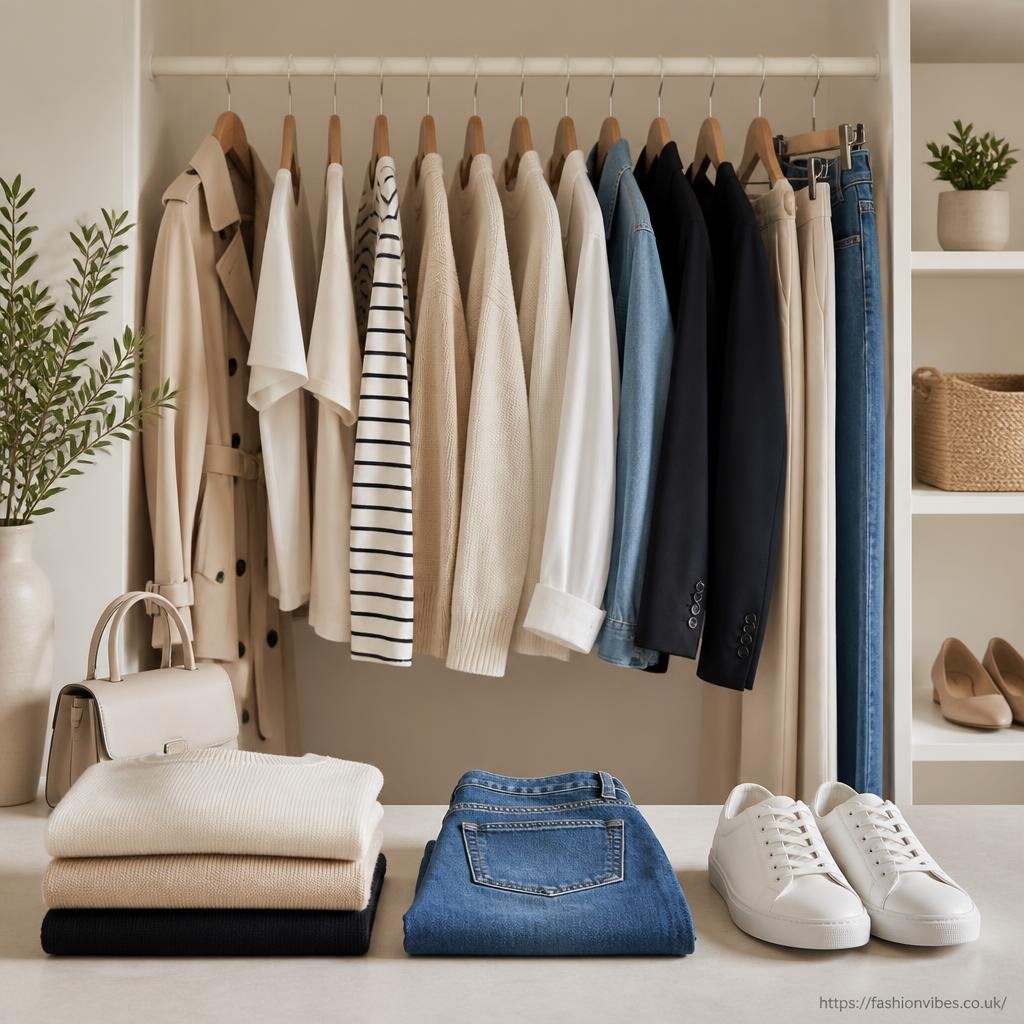
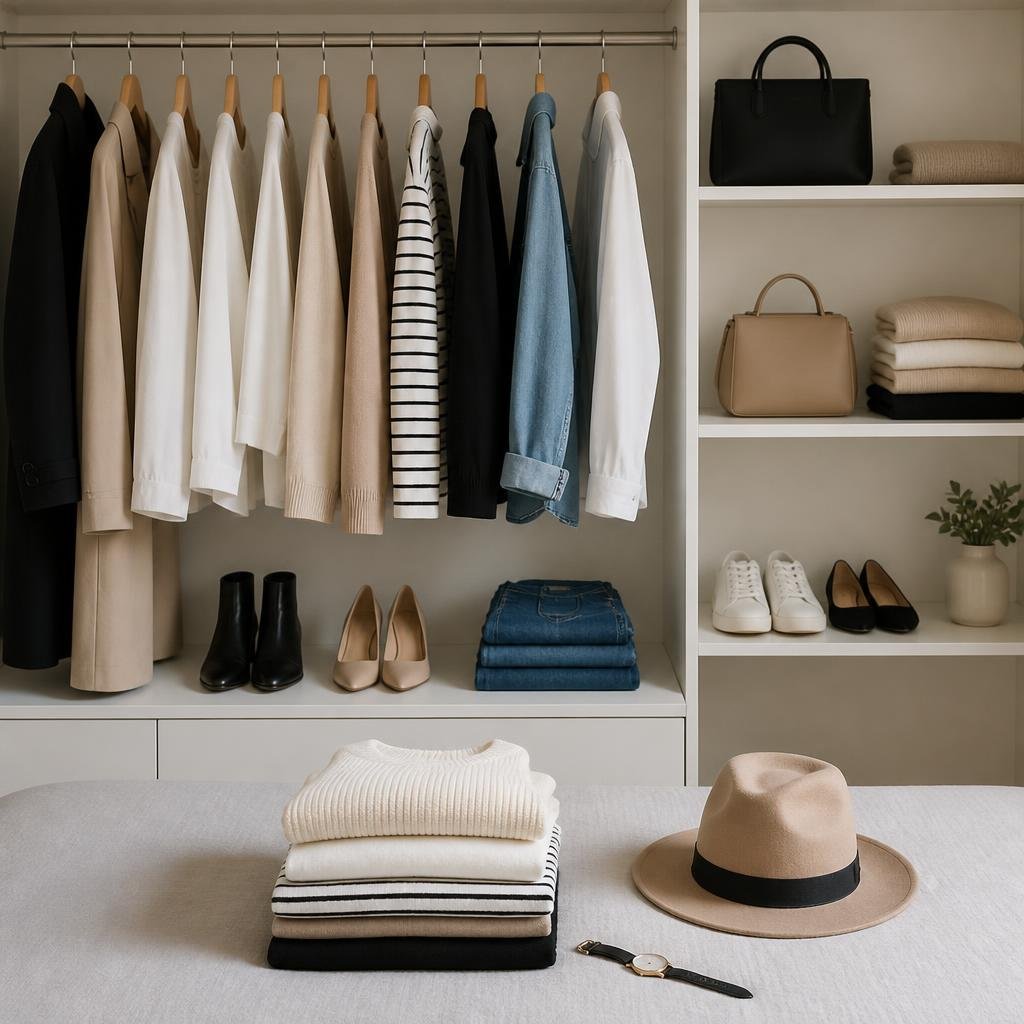
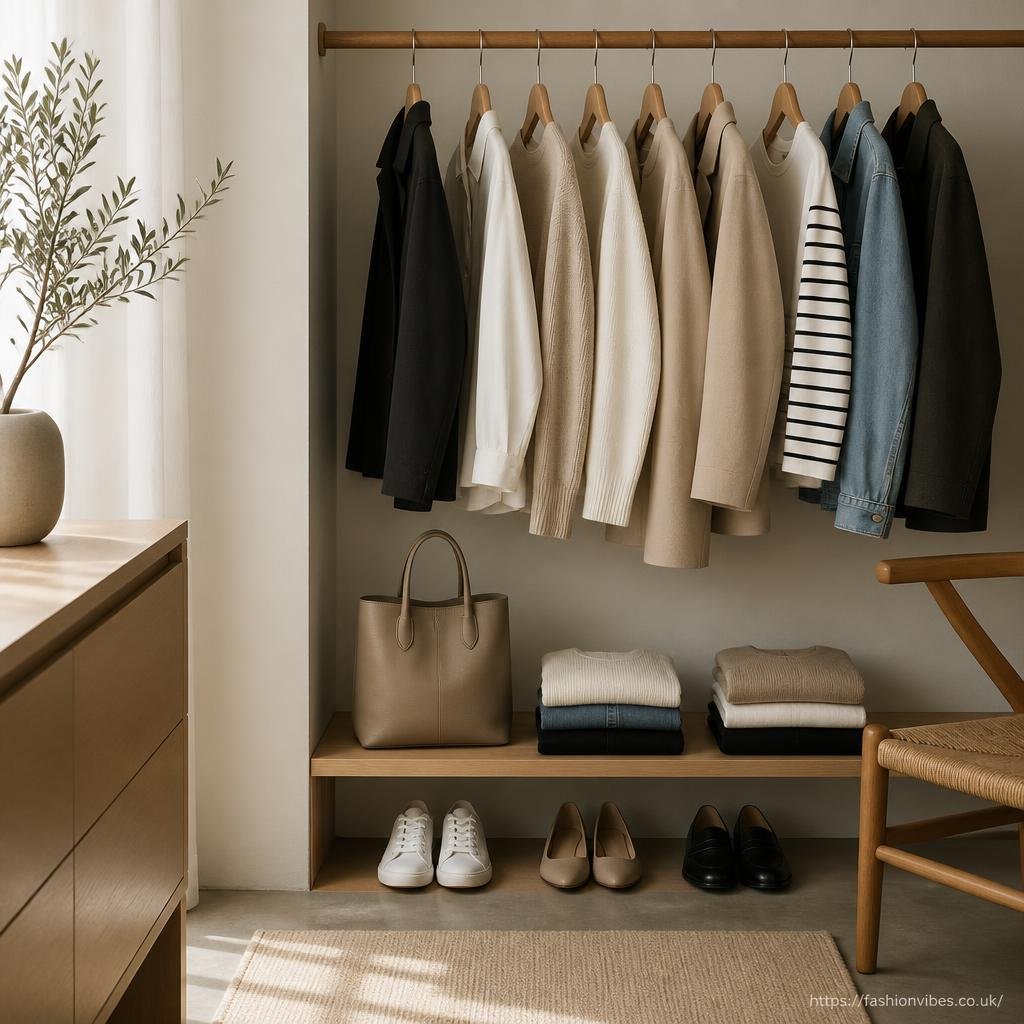
What is a capsule wardrobe? When you think about deliberately chosen collection of clothing, usually somewhere between 15 and 40 pieces, where every item is built to be worn with almost everything else you own. Instead of a packed closet full of clothes you rarely reach for, a capsule wardrobe works around a limited colour palette and a handful of versatile shapes, so a small number of pieces can be combined into dozens of different outfits.
What Does “Capsule Wardrobe” Actually Mean?
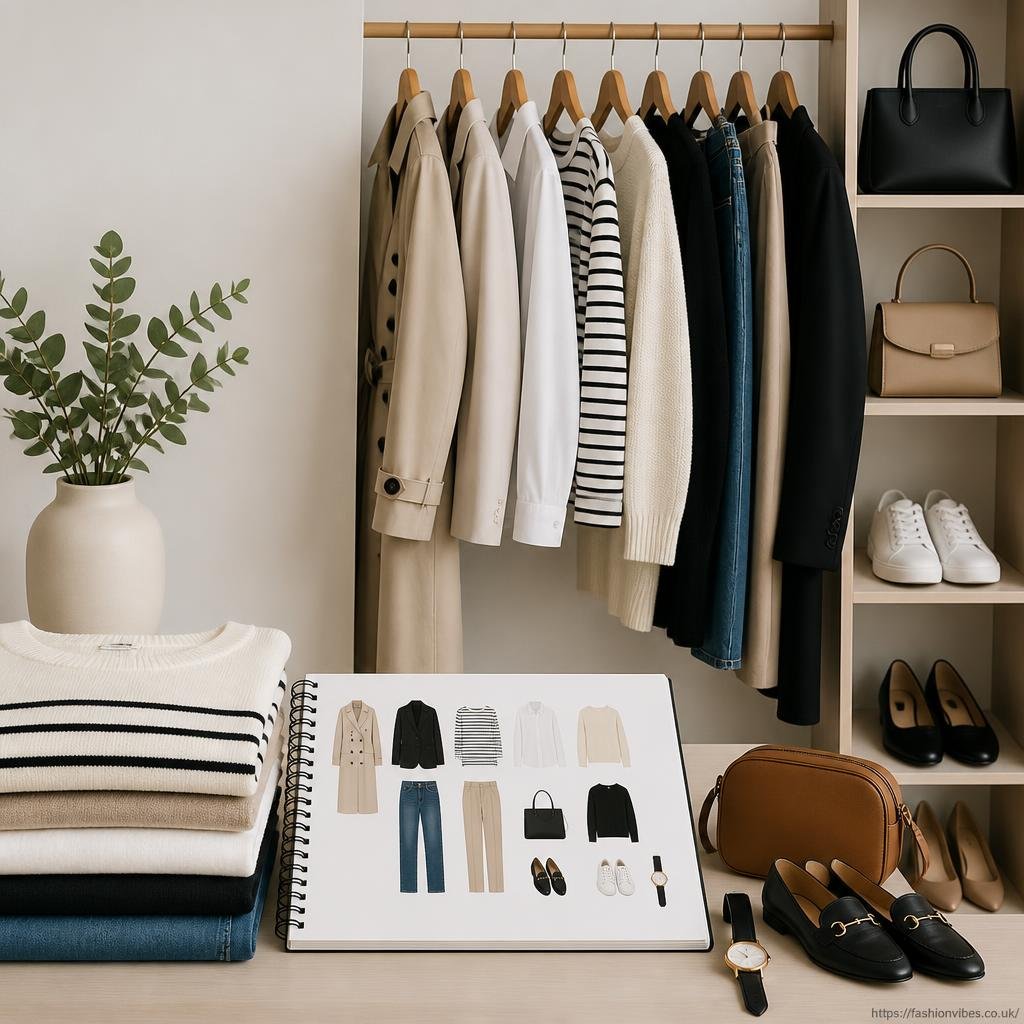
The term describes a wardrobe strategy, not a fixed shopping list. Rather than owning clothes for every possible occasion, you curate a core set of pieces, mostly neutral, mostly timeless, that all coordinate with one another. A few seasonal or statement pieces are then layered on top to keep things from feeling repetitive. The result is a closet where almost every hanger earns its place, and getting dressed stops being a daily negotiation with a rail of clothes you don’t actually like.
If you want the full breakdown of principles, formulas and a room-by-room approach to building one, our complete guide about wardrobe walks through the entire process from first closet audit to finished rail.
Where the Idea Came From
The concept is usually traced back to Susie Faux, a London boutique owner who used the term in the 1970s to describe a set of timeless, high-quality staples that could be topped up seasonally with a few trend pieces. American designer Donna Karan later popularised her own version with the “Seven Easy Pieces” concept in the 1980s, and the idea has since been reinterpreted many times over, from Project 333 to today’s TikTok-driven “10×10” and 333-piece challenges. The name has changed shape over the decades, but the underlying logic hasn’t: fewer, better pieces that all work together.
How Many Pieces Are In a Wardrobe?
There is no single official number, and that’s deliberate; a wardrobe is meant to match your climate, job and lifestyle rather than a rule someone else invented. That said, most guidance clusters around a few common ranges:
| Range | Typical use case |
|---|---|
| 10–15 pieces | Micro capsule / quiet luxury approach, very tightly edited |
| 15–25 pieces | Balanced everyday capsule, most common starting point |
| 30–40 pieces | Classic “capsule wardrobe” range, includes outerwear and shoes |
| 33 pieces | Project 333, a fixed 3-month challenge format |
Accessories, workout kit and sleepwear are usually counted separately unless you’re following a strict challenge format like Project 333. For a step-by-step method to land on the right number for your own life, see our guide on how to build a capsule wardrobe.
What is Makes a Capsule Wardrobe Different From a Normal Closet?
Most wardrobes grow by accident. A capsule wardrobe is built on purpose. The difference sits in three things: a limited, coordinated colour palette; pieces chosen for how well they mix rather than how they look in isolation; and a conscious cap on quantity, so nothing is bought without a plan for what it will be worn with. A normal closet often has plenty of clothes and still nothing to wear. A capsule wardrobe flips that, fewer clothes, but every combination actually works.
The Core Principles
- A restrained colour palette. Two or three neutrals (navy, black, camel, grey or cream) form the base, with one or two accent colours layered in.
- Versatility over volume. Every piece should realistically pair with at least three to five others already in the rail.
- Quality over quantity. Fewer, better-made pieces tend to last longer and cost less per wear over time.
- Seasonal rotation. Off-season pieces are stored away rather than left cluttering the rail, keeping the active wardrobe genuinely small.
Benefits of a Capsule Wardrobe
The appeal isn’t purely aesthetic. A smaller, coordinated wardrobe cuts down on decision fatigue, there are simply fewer combinations to weigh up each morning. It also tends to lower the cost per wear of each item, since pieces get worn far more often than they would sitting in an overstuffed closet. Many people also find it supports more sustainable habits, since a capsule wardrobe naturally discourages impulse buys that don’t fit the existing colour story.
Common Types of Capsule Wardrobes
Not every capsule wardrobe looks the same, and the right format depends on why you’re building one:
- Micro wardrobe – a tightly edited 10–15 piece version for minimalists or capsule beginners
- Closet capsule – the whole-closet audit-and-rebuild approach
- Capsule wardrobe for women – gendered essentials and outfit formulas
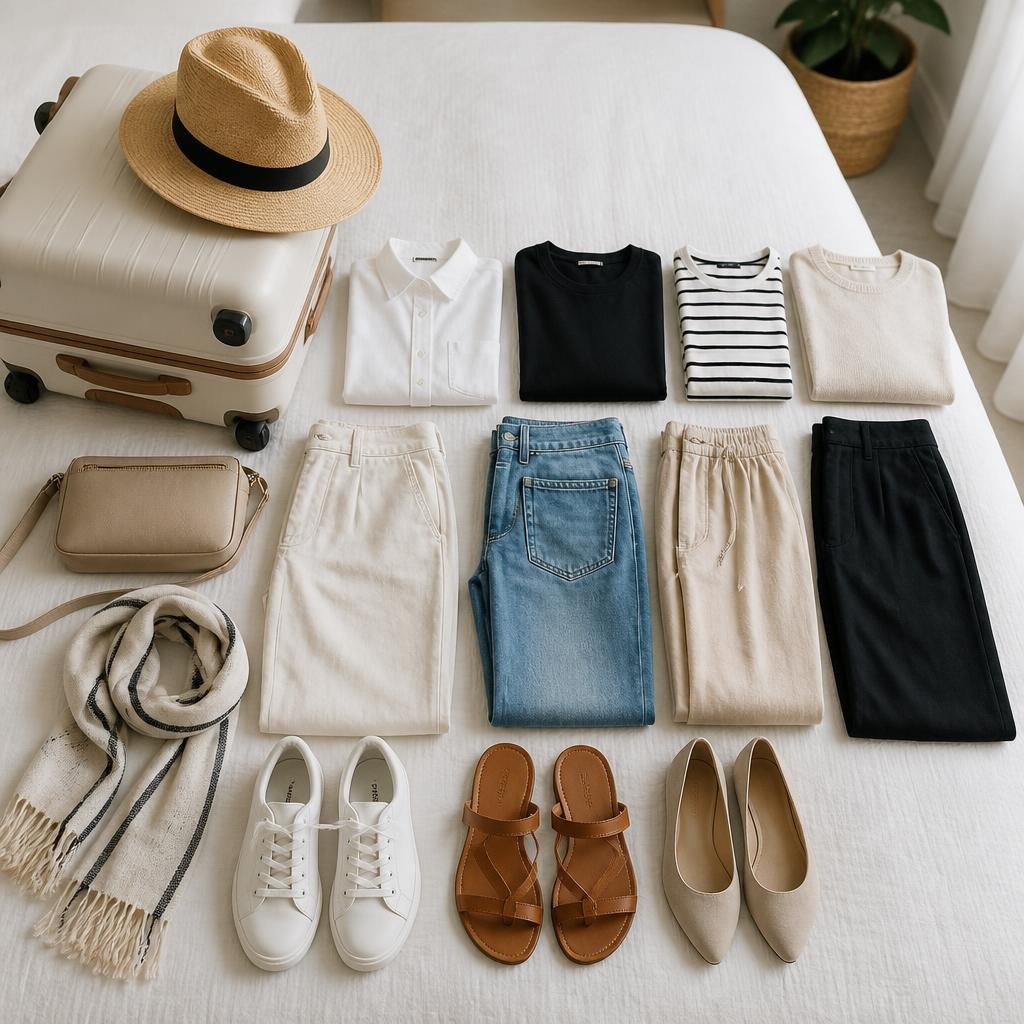
- Travel capsule – a compact 10–20 piece version built specifically for packing light
- Work capsule – a smart, office-ready subset built around a dress code
Is a Capsule Wardrobe Right for You?
If your mornings involve staring at a full closet and still feeling like you have nothing to wear, a capsule wardrobe is usually worth trying. It works especially well for people who travel often, want to shop less but dress better, or simply want mornings to feel less like a decision and more like a habit. It works less well if your role genuinely requires a wide range of formal, occasion-specific outfits, though even then a smaller “working capsule” alongside a separate occasion wear rail can help.
How a Capsule Wardrobe Changes Daily Decision-Making
Most people underestimate how many small decisions getting dressed actually involves, top, bottom, layer, shoes, whether it all works together, whether it suits the day ahead. A capsule wardrobe removes most of that friction before it starts, since every piece has already been vetted against the same palette and the same standard of versatility. The decision shrinks from “what could I possibly wear” to “which of these proven combinations fits today”, which is a meaningfully smaller task even though it sounds like a small difference on paper.
This is part of why a capsule wardrobe tends to stick as a habit once someone tries it properly, rather than being abandoned after a few weeks. The system does the thinking in advance, so the daily version of the task becomes almost automatic.
How a Capsule Wardrobe Differs Around the World
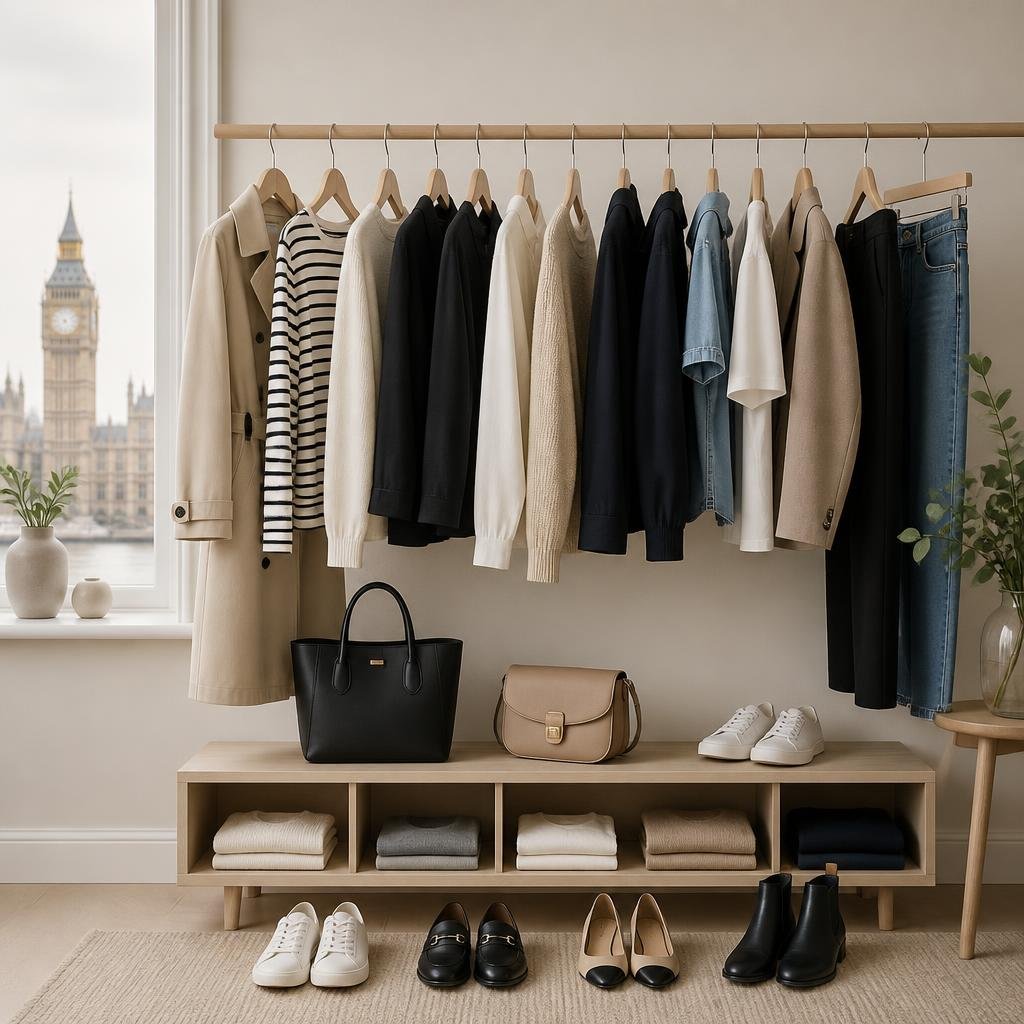
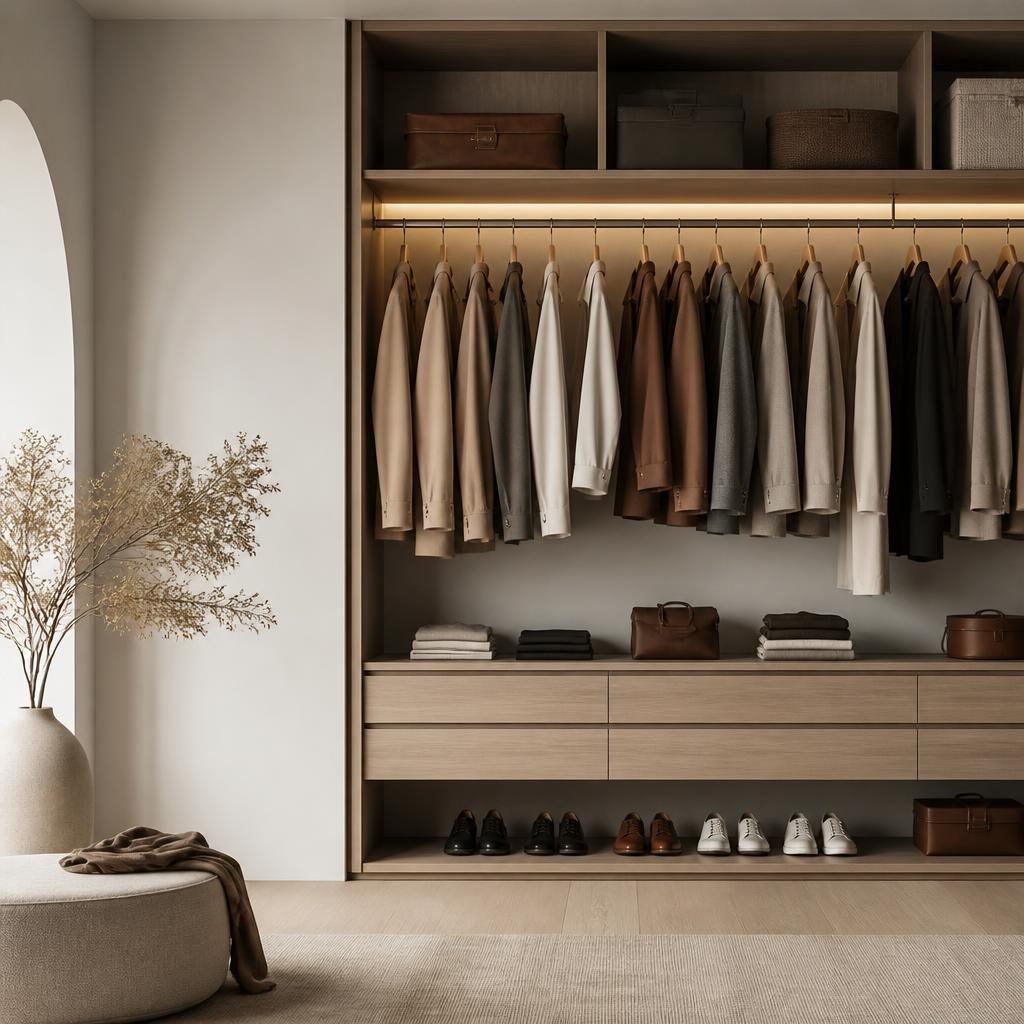
The core idea translates everywhere, but the specific palette and pieces shift with climate and culture. A capsule built for a hot, dry climate leans on linen, cotton and lighter colours, while a UK-appropriate capsule wardrobe needs to account for layering across a much wider temperature range within a single week. Scandinavian approaches to the concept tend to favour a very restrained, almost monochrome palette, while capsule wardrobes built around Mediterranean climates often include more colour and lighter fabrics year-round. None of this changes the underlying method, audit, palette, versatility, quantity cap, just the specific choices that fill it.
Can a capsule wardrobe include workout clothes?
Most guides treat activewear as a separate, smaller capsule rather than folding it into the main wardrobe count, since gym and athleisure pieces rarely coordinate with the rest of a capsule’s palette or fabric choices.
Does a capsule wardrobe work for people who dress differently for work and home?
Yes, and it’s one of the more common real-world versions of the idea. A shared neutral base can flex toward smarter pieces for work days and softer, more casual pieces for time at home, without needing two entirely separate wardrobes.
Frequently Asked Questions
Is a capsule wardrobe the same as a minimalist wardrobe?
They overlap but aren’t identical. A minimalist wardrobe is about owning fewer clothes overall. A capsule wardrobe is specifically about choosing clothes that coordinate with one another, so the emphasis is on versatility as much as quantity.
How many clothes should be in a capsule wardrobe?
Most capsule wardrobes sit between 15 and 40 pieces, excluding accessories, sleepwear and workout clothes. The right number depends on your climate, job and how often you do laundry.
Do accessories count in a capsule wardrobe?
Usually not, unless you’re following a strict numbered challenge like Project 333. Most people count clothing, shoes and outerwear, and treat jewellery, bags and scarves as a separate, smaller capsule.
How often should you refresh a capsule wardrobe?
Seasonally works well for most people, roughly four times a year, swapping heavier layers for lighter ones (or vice versa) while keeping the core neutral pieces in place year-round.
Is a capsule wardrobe expensive to start?
It doesn’t have to be. Most guides recommend starting with pieces you already own, then filling genuine gaps gradually rather than buying an entire capsule at once.





Leave a Reply